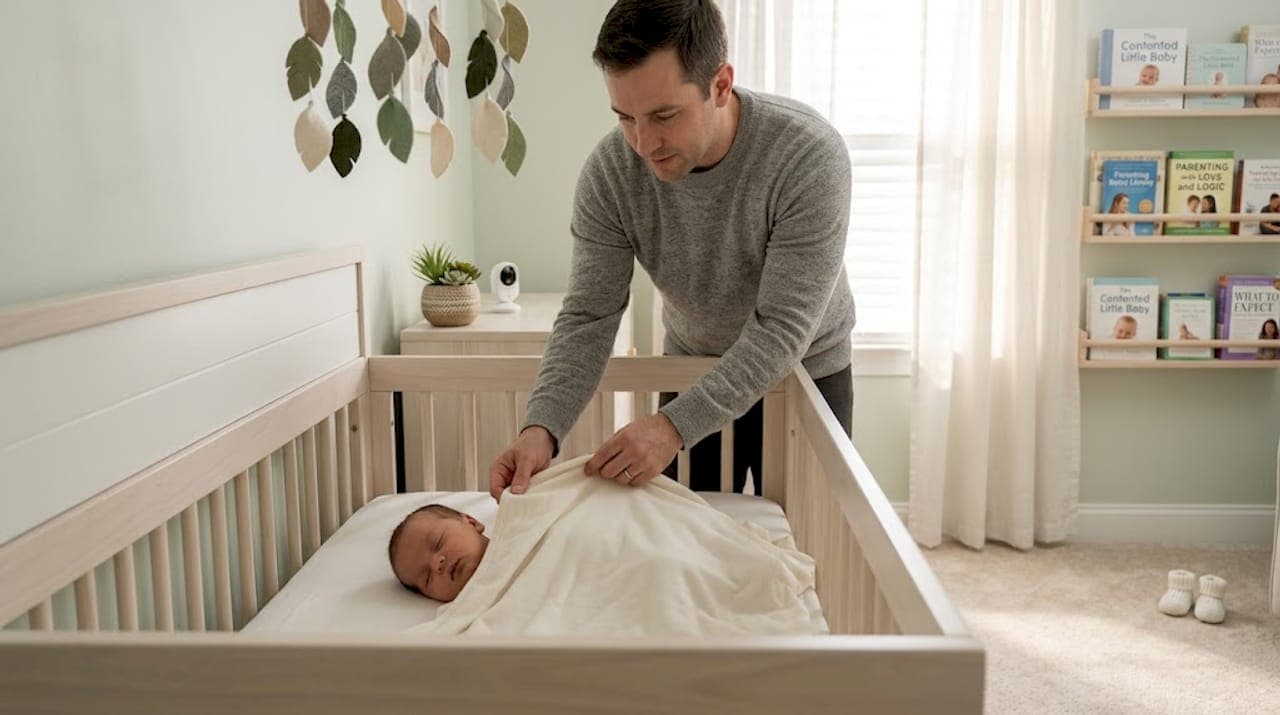
Bringing a newborn home is one of the most profound experiences of your life, and it can feel just as terrifying as it is joyful. You're suddenly responsible for a tiny person who can't tell you what they need, and the stakes feel impossibly high. The good news is that evidence-based infant care doesn't require perfection. It requires preparation, consistency, and a willingness to learn. This guide walks you through every essential area, from setting up a safe sleep environment to reading your baby's cues, so you can feel genuinely confident rather than just hopeful.
Table of Contents
- Prepare for infant care: What you need and why it matters
- Step-by-step safe sleep practices for your baby
- Responsive caregiving: Reading and meeting your baby's needs
- Nurturing development: Milestones, learning, and when to take action
- Staying safe: Handling, frustrations, and common risks
- Beyond the basics: What seasoned caregivers know (that most guides miss))
- Take the next step: Nurture your baby's growth with expert support
- Frequently asked questions
Key Takeaways
| Point | Details |
|---|---|
| Safe sleep setup | Always put infants on their back in a crib with no soft objects to lower SIDS risk. |
| Responsive caregiving | Read your baby’s cues and respond with comfort and attention to support development. |
| Track milestones | Monitor key age-related milestones and seek help promptly if delays occur. |
| Never shake a baby | If frustrated, step away briefly and check on your baby regularly to ensure their safety. |
| Support your own well-being | Parent self-care is essential for effective infant care and healthy attachment. |
Prepare for infant care: What you need and why it matters
Having set the context for why informed infant care is so critical, it's time to get practical by understanding what you'll need and why each element is important. The World Health Organization's nurturing care framework defines optimal development as the result of health, nutrition, responsive caregiving, and early learning working together. That means your baby's wellbeing isn't one single thing. It's a system, and your home setup is the foundation of that system.
Start by assembling the right supplies before your baby arrives. A cluttered or incomplete setup adds stress when you're already sleep-deprived and overwhelmed.
Must-have essentials for your infant care setup:
- Safe sleep space: A firm, flat crib or bassinet with a fitted sheet and no soft bedding
- Feeding supplies: Breast pump, nursing pads, or formula and sterilized bottles
- Diapering station: Changing pad, diapers, unscented wipes, and diaper cream
- Thermometer: A rectal thermometer for the most accurate reading in infants
- Baby monitor: Audio or video, depending on your home layout and comfort level
- Clothing and swaddles: Onesies, sleepers, and lightweight cotton swaddles for comfort
Nutrition is equally critical from day one. The American Academy of Pediatrics confirms that exclusive breastfeeding for 6 months supports both nutrition and brain development. If breastfeeding isn't possible, infant formula is a fully safe alternative. What matters most is that your baby receives only breast milk or formula for the first six months, with no water, juice, or solid food introduced prematurely.
| Supply category | Why it matters | Priority level |
|---|---|---|
| Safe sleep surface | Reduces SIDS risk significantly | Critical |
| Feeding supplies | Supports brain and body growth | Critical |
| Thermometer | Early illness detection | High |
| Baby monitor | Safety during sleep | High |
| Diapering station | Hygiene and skin health | Medium |
Pro Tip: Build your supply list in three tiers: day-one essentials, first-month additions, and three-to-six-month upgrades. This approach prevents overspending and reduces the chaos of shopping with a newborn. It also helps you evaluate what you actually use versus what sounded good in theory.
Understanding safe childcare environments starts at home, and the physical setup you create in those early weeks sets habits that last well into toddlerhood. Learn more about what quality infant care looks like as a whole to keep the big picture in mind while you handle the daily details.
Step-by-step safe sleep practices for your baby
Once you're prepared with the right supplies, the next top priority is ensuring your baby's sleep environment maximizes safety. Sudden Infant Death Syndrome (SIDS) is the leading cause of death in infants between one month and one year of age, and the majority of SIDS-related deaths are linked to unsafe sleep environments. The evidence is clear, and the steps are straightforward.
How to set up a safe sleep environment:
- Place your baby on their back every single time they sleep, for naps and overnight
- Use a firm, flat crib mattress with a tightly fitted sheet and nothing else inside
- Keep the sleep area free of pillows, blankets, bumpers, stuffed animals, and positioners
- Set the room temperature to a comfortable level to avoid overheating
- Room-share without bed-sharing for at least the first six months, ideally the full first year
- Offer a pacifier at sleep time after breastfeeding is established, around three to four weeks
- Avoid letting your baby sleep in a car seat, stroller, or swing for extended periods
The American Academy of Pediatrics recommends you always place infants on their back to sleep on a firm, flat surface and room-share without bed-sharing for at least six months. Room-sharing alone reduces SIDS risk by up to 50 percent compared to having your baby sleep in a separate room. That's a significant, actionable reduction that costs nothing.
| Practice | Safe or risky? | Why it matters |
|---|---|---|
| Back-to-sleep positioning | ✅ Safe | Keeps airway open |
| Soft bedding in crib | ❌ Risky | Suffocation hazard |
| Room-sharing | ✅ Safe | Reduces SIDS by up to 50% |
| Bed-sharing | ❌ Risky | Risk of overlay and suffocation |
| Pacifier use | ✅ Safe | Associated with SIDS reduction |
| Sleep positioners | ❌ Risky | Not tested for safety |
Important safety note: Never place a sleeping baby on a soft surface like a sofa, armchair, or adult bed. These surfaces dramatically increase the risk of accidental suffocation, especially when a parent or sibling falls asleep nearby.
Research on safe sleep programs shows that structured, consistent education about these practices directly increases parent compliance and reduces infant deaths. Knowing the rules is not enough. Building the habit until it is automatic is what keeps your baby safe. For a deeper look at designing safe sleep environments beyond the crib, the principles apply across every setting where your child rests.
Responsive caregiving: Reading and meeting your baby's needs
Once your baby is sleeping safely, being responsive to their everyday needs provides the foundation for emotional security and healthy development. Babies communicate entirely through behavior and body language in the early months, and learning to read those signals accurately makes caregiving feel far less like guesswork.
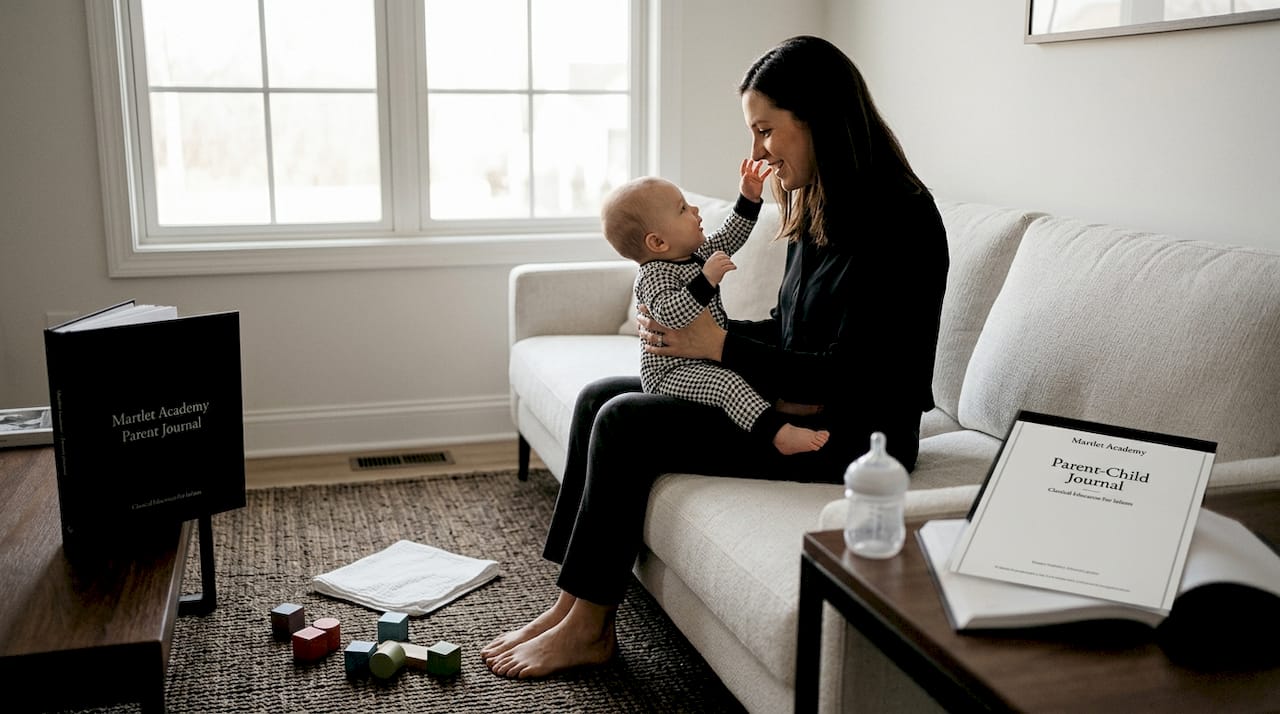
The CDC recommends that responsive caregiving includes recognizing hunger and fullness signs, responding to cues, talking, cuddling, and incorporating tummy time into your daily routine. Each of these interactions builds neural connections that support language, emotional regulation, and trust.
Common infant cues and how to respond:
- Rooting, sucking fists, turning head: Hunger signal. Offer breast or bottle promptly
- Arching back, turning away, closing eyes: Fullness or overstimulation. Stop feeding or reduce stimulation
- Rubbing eyes, yawning, staring blankly: Fatigue. Move toward a nap routine
- Fussing, crying without stopping: Need for comfort. Hold, rock, or check for physical discomfort
- Smiling, cooing, making eye contact: Ready for interaction. Talk, sing, and engage playfully
- Startling, crying at sounds: Normal reflex. Provide gentle reassurance and calm movement
One important nuance: cultural variation in responsiveness shapes how effectiveness is measured. Research shows it's not just the speed of your response that matters, but the quality and attunement of it. A caregiver who takes a brief moment to assess what the baby needs before responding can be just as effective as one who reacts immediately. This is reassuring for parents who feel anxious about not being fast enough.
Pro Tip: When you're feeling overwhelmed, narrating your actions aloud to your baby serves two purposes. It keeps your voice calm and regulated, which soothes your baby. And it builds your baby's language foundation at the same time. "I'm picking you up now. I hear you. We're going to take a little walk together." It sounds simple, but it works.
Supporting early child development through responsive caregiving is one of the most powerful things you can do at home, and it reinforces the work that skilled educators do in the classroom. Understanding the role of adult caregivers in early development also helps parents appreciate why consistency matters so much across home and care settings.
Nurturing development: Milestones, learning, and when to take action
Attentive, daily interactions help your baby thrive, and here's how to track their progress and support early development. Milestones are not rigid deadlines. They are ranges that pediatricians use to identify children who may benefit from early intervention. Catching delays early makes a real difference in long-term outcomes.
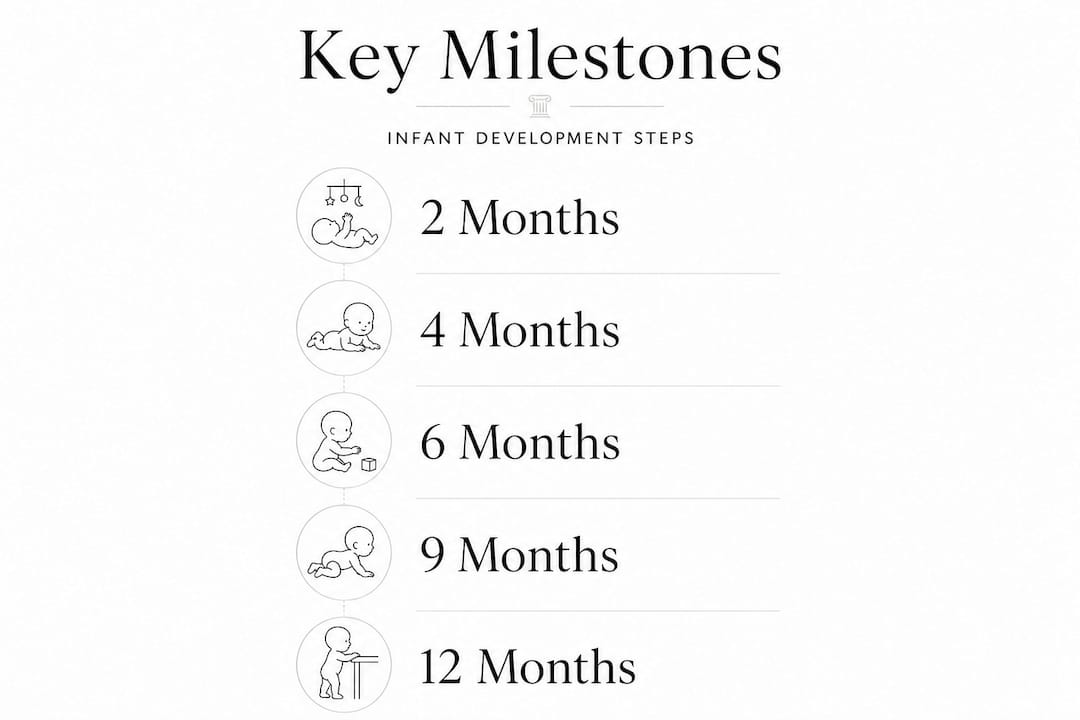
The CDC's milestone tracking confirms that by 2 months, babies should lift their heads during tummy time, make cooing sounds, briefly calm when comforted, and track movement with their eyes. These are the building blocks for everything that comes next.
| Age | Physical milestones | Social and language milestones |
|---|---|---|
| 2 months | Lifts head, follows movement | Coos, smiles at familiar faces |
| 4 months | Pushes on hands, rolls toward side | Laughs, responds to name |
| 6 months | Sits with support, transfers objects | Babbles, recognizes caregivers |
| 9 months | Pulls to stand, uses pincer grip | Points, imitates sounds |
| 12 months | Walks with support or independently | Says one or two words, waves bye-bye |
Simple daily activities you can do at home to support development include reading aloud from birth, offering high-contrast visual toys in the first two months, practicing tummy time for short sessions several times a day, and singing rhymes that combine sound with movement. The CDC also notes that tummy time is essential for building neck and shoulder strength, and screens should be avoided entirely for children under two years of age.
Warning signs that warrant a conversation with your pediatrician:
- Not making eye contact by two months
- Not responding to sounds or voices by three months
- Not smiling or showing interest in faces by four months
- Not sitting without support by nine months
- Losing skills they previously had at any age
That last point is especially important. Regression, or the loss of skills a child already demonstrated, is always worth flagging with your doctor regardless of age. For a broader look at growth across the early years, the preschool milestone guide offers helpful context. You can also explore early literacy milestones and the foundational role of motor skills in development as your baby grows.
Staying safe: Handling, frustrations, and common risks
Caring for your baby also means protecting them from hidden dangers and knowing how to handle stressful moments safely. Infant care is physical work, and understanding correct handling reduces injury risk for both of you.
Steps for safe infant handling:
- Always support your baby's head and neck when picking them up or putting them down
- Use two hands when moving your baby between surfaces
- Never carry a baby while holding hot liquids or sharp objects
- When using a baby carrier, ensure the baby's airway is visible and unobstructed at all times
- Check car seat installation before every use and confirm your baby's harness is snug
The most critical safety warning in all of infant care is this one:
Never shake your baby under any circumstances. Shaking causes irreversible brain damage and can be fatal. If you feel frustrated to the point of losing control, the CDC advises you to place the baby in the crib, walk away, and check back in every five to ten minutes. This is not abandonment. This is responsible parenting.
Frustration is normal. Newborns can cry for hours and there isn't always an obvious reason. Building a support network before you reach your limit is one of the best investments you can make. Let a trusted family member or friend take the baby for an hour while you sleep, eat, or simply sit in silence.
Pro Tip: Walk through your home at ground level once a month. Crawl if you have to. You'll notice safe environment tips you'd otherwise overlook, such as cords within reach, unstable furniture, or objects small enough to be choking hazards.
Beyond the basics: What seasoned caregivers know (that most guides miss)
Most infant care guides give you the rules. What they skip is the reality of applying those rules in a messy, unpredictable human life. Here's our honest perspective after years of working with infants and families.
Consistency matters far more than perfection. Research consistently shows that babies develop secure attachment not from flawless parenting, but from good enough caregiving where repair happens after a rupture. You'll miss a cue. You'll misjudge a cry. What matters is that you show up again and again, and that your baby learns the world is responsive. That is the foundation of emotional security.
Cultural wisdom deserves respect alongside evidence-based guidance. Practices like skin-to-skin contact, babywearing, and communal caregiving have existed across human history for excellent reasons. They work, and they often reduce parental stress. What matters is evaluating them against safety data, not dismissing them wholesale.
For families with premature or low birth weight infants, the stakes are genuinely higher and the playbook looks different. Specialized care for premature infants such as kangaroo care (prolonged skin-to-skin holding) has strong evidence behind it for improving outcomes in developmental, respiratory, and emotional domains. If your baby arrived early, work closely with your NICU team and ask specifically about developmental support resources.
Finally, your wellbeing is not a luxury. Parental mental health directly affects infant development. A caregiver who is burned out, isolated, or untreated for postpartum depression provides objectively different care than one who is supported. Prioritizing your own health is not selfish. It is one of the most effective parenting strategies available. Learn more about what quality care for infants looks like when the whole family's wellbeing is considered part of the equation.
Take the next step: Nurture your baby's growth with expert support
The practices in this guide lay a strong foundation at home, and having a trusted early education partner amplifies everything you're already doing. When your baby is ready for a structured care environment, the transition from home to a quality infant program should feel like an extension of the same warmth, responsiveness, and safety you've already established.

At Martlet Academy, our Infant Program is built around the same evidence-based principles you've read here: responsive caregiving, safe environments, play-based learning, and strong family partnerships. As your child grows, our Toddler Program and Preschool Program continue that journey with age-appropriate curriculum and nurturing educators who treat your family as true partners. Reach out to learn how we can support your baby's growth from the very beginning.
Frequently asked questions
How much sleep should my infant get each day?
Infants aged 4 to 12 months need 12 to 16 hours of sleep per 24 hours, including naps. Newborns under four months typically sleep more, in shorter and more frequent cycles.
When should I worry about my baby's development?
If your baby isn't meeting key milestones, such as lifting their head or cooing by 2 months, contact your pediatrician promptly. Early intervention is always more effective than waiting to see if a concern resolves on its own.
Is formula safe if breastfeeding isn't possible?
Yes, infant formula is a fully safe and nutritious option. The CDC recommends you feed only breast milk or formula for the first six months, and formula fully meets your baby's nutritional needs when breastfeeding is not possible or chosen.
What's the safest way for infants to sleep?
Place your baby on their back to sleep on a firm, flat surface with no soft bedding, pillows, or objects, and keep them in your room but in their own sleep space to reduce SIDS risk.
How should I react if I feel frustrated with my baby?
Put your baby safely in the crib, then walk away and check back every five to ten minutes. Stepping away briefly is far safer than staying in a moment where you feel out of control.