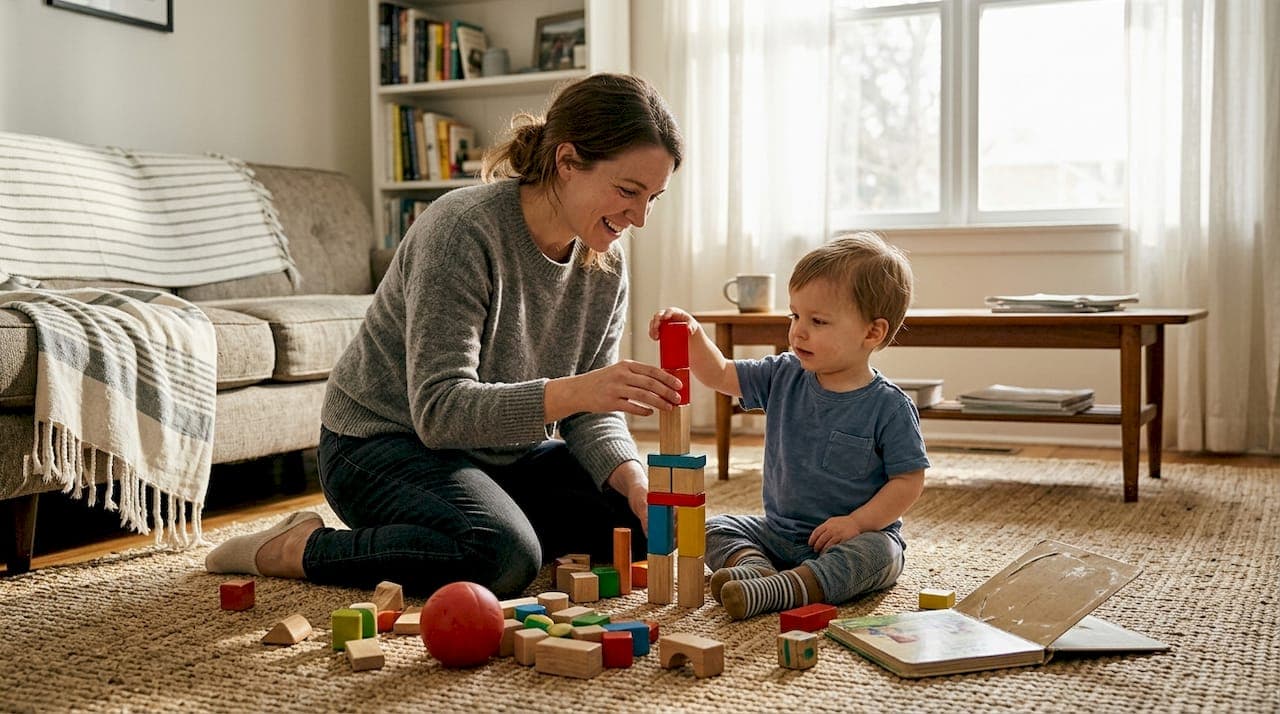
Motor skills are often reduced to a simple idea: babies learn to crawl, then walk, then run. But that picture leaves out something remarkable. The way your infant grabs a rattle or your toddler kicks a ball is shaping how their brain organizes information, how they connect with other children, and how confident they feel in their own body. Motor development is one of the most powerful and least understood forces in early childhood. This guide will walk you through the types of motor skills, what healthy progress looks like at each age, the surprising ways movement affects thinking and emotions, and what you can do right now to support your child.
Table of Contents
- Understanding motor skills: Types and development patterns
- Milestones to watch: Tracking motor skill progress
- Beyond movement: How motor skills fuel cognitive, social, and emotional growth
- Recognizing delays and supporting every child's potential
- Our take: Motor skill milestones matter—but flexibility is key
- Support your child's motor skill journey with Martlet Academy
- Frequently asked questions
Key Takeaways
| Point | Details |
|---|---|
| Motor skills fuel growth | Motor skills drive not just movement but also cognitive, social, and emotional development in young children. |
| Track key milestones | Recognizing age-appropriate motor milestones helps you support your child and spot any concerns early. |
| Act early if delayed | If milestones are missed, prompt action and play-based interventions can make a big difference. |
| Unstructured play matters | Hands-on play and movement activities encourage healthy motor skill development far more than screens do. |
Understanding motor skills: Types and development patterns
The phrase "motor skills" refers to the ability to control and coordinate body movements. These skills are not random. They follow a predictable biological path, and understanding that path helps you appreciate what your child is working toward at every stage.
Motor skills develop in two major categories: gross motor and fine motor. Gross motor skills involve the large muscle groups, things like rolling over, sitting up, running, and jumping. Fine motor skills involve smaller muscles, particularly in the hands and fingers, for tasks like pinching, stacking, and eventually writing.
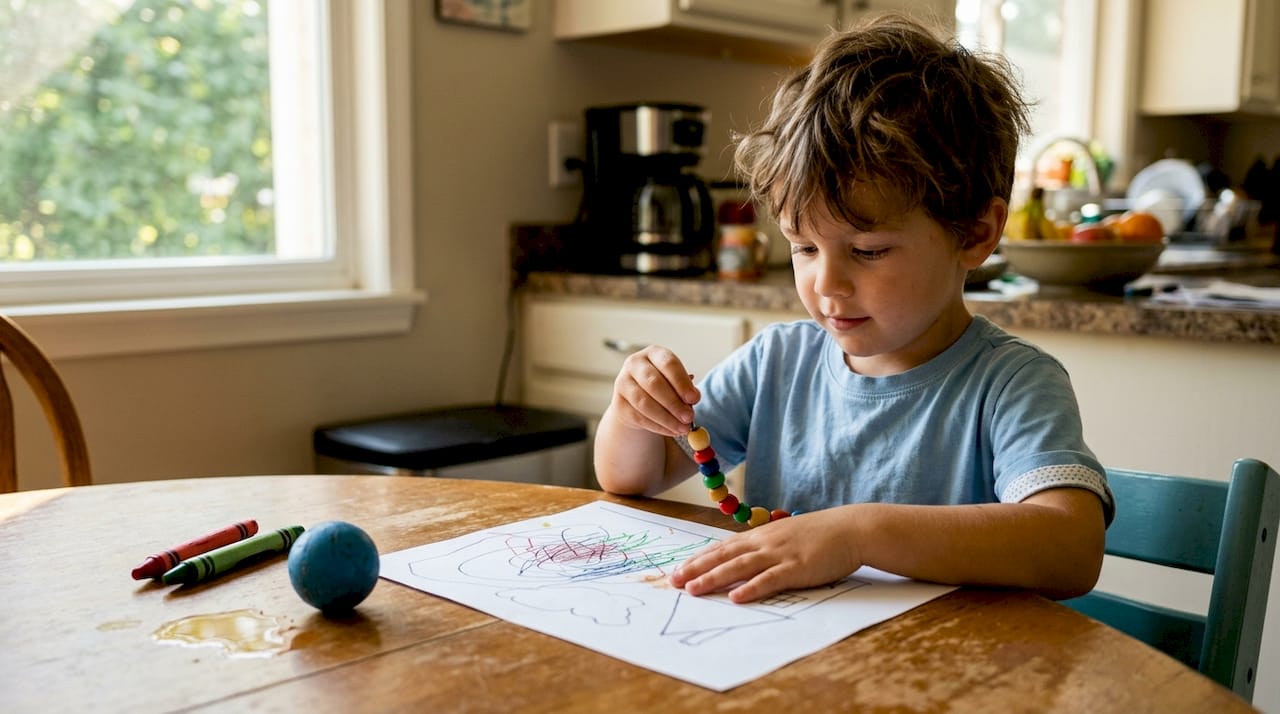
Development also follows two biological principles worth knowing. Cephalocaudal progression means skills develop from the head downward. That is why babies gain control of their neck before their legs. Proximodistal progression means development moves from the center of the body outward, so your child controls their shoulders before their wrists, and their arms before their fingers.
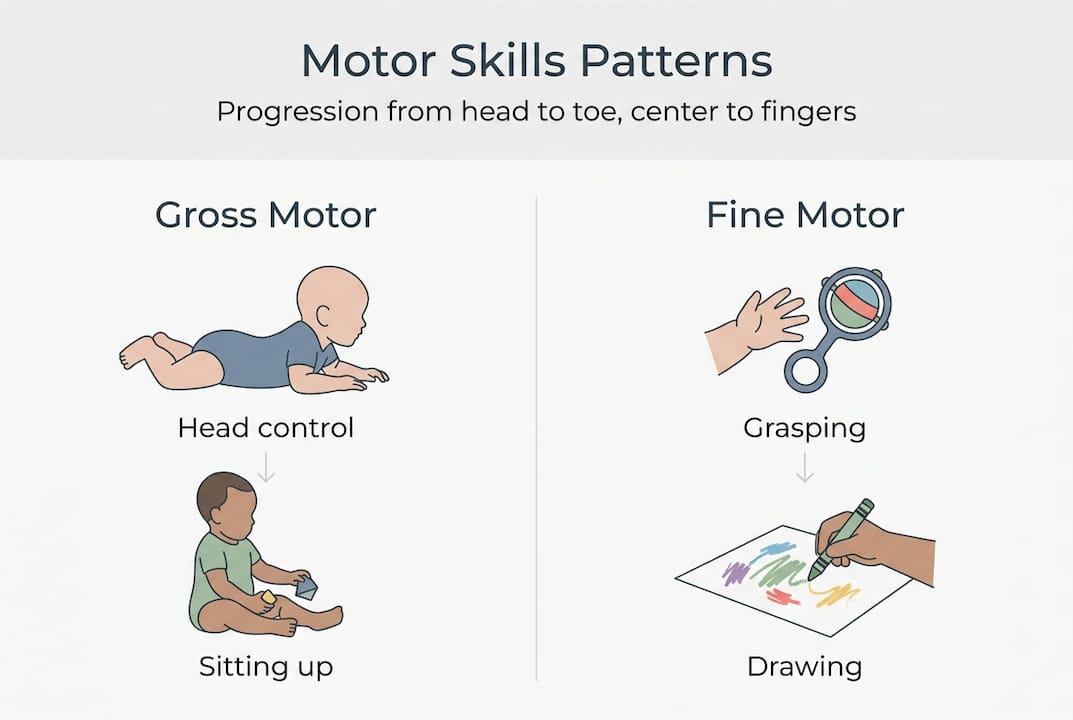
Here is a quick snapshot of how gross vs. fine skills compare across two key categories:
| Skill type | Category | Examples |
|---|---|---|
| Gross motor | Locomotor | Running, jumping, climbing |
| Gross motor | Stability | Balancing, standing on one foot |
| Fine motor | Precision | Pinching, drawing, using utensils |
| Fine motor | Hand-eye coordination | Catching a ball, threading beads |
Some skills in both categories develop simultaneously, while others build on each other. A child cannot hold a crayon with intention before they have developed core strength and shoulder stability.
- Gross motor skills tend to emerge first and most visibly
- Fine motor skills depend on foundational gross motor control
- Both categories interact constantly during play and daily routines
- Progress is rarely perfectly linear, small plateaus are normal
Pro Tip: If you are wondering why your preschooler struggles with drawing, check whether they have enough practice with posture and balance first. Core strength and shoulder control are the hidden prerequisites for handwriting. Activities like play-based learning in preschool build these foundations naturally.
Milestones to watch: Tracking motor skill progress
Milestones give you a reference point, not a rigid deadline. They represent the age range by which most children typically achieve a skill, and they are built on large-scale population research. Knowing them helps you celebrate your child's growth and catch potential concerns early.
The CDC benchmarks cover key skills from birth through age five, including head control, sitting, standing, walking, and early drawing. Here is a simplified overview for infants and toddlers:
| Age | Gross motor milestone | Fine motor milestone |
|---|---|---|
| 2 months | Lifts head during tummy time | Briefly holds a rattle |
| 6 months | Rolls over both ways | Transfers objects hand to hand |
| 12 months | Pulls to stand, cruises furniture | Pincer grasp develops |
| 18 months | Walks independently | Stacks two to three blocks |
| 24 months | Runs, kicks a ball | Scribbles with a crayon |
| 36 months | Climbs stairs with alternating feet | Copies a circle |
Tracking these markers is useful for childhood education and growth partners, including pediatricians, teachers, and parents working together. Many families now use milestone tracking apps like CDC's "Learn the Signs. Act Early" app to log progress between well-child visits. This creates a running record that makes it easier to notice patterns over time.
Here is a simple approach to monitoring progress:
- Start tracking from birth using a trusted milestone list
- Note the age when each skill appears, not just whether it appeared
- Bring your notes to every well-child checkup
- Watch for regressions, when a skill disappears, not just delays
- Compare across both gross and fine motor categories, not just one
Social context matters too. Children who have more floor time, outdoor access, and interaction with other children often reach motor milestones on the earlier end of the typical range. This connects directly to social and emotional skill development, which motor play naturally supports.
Pro Tip: A single missed milestone is rarely a red flag. The concern rises when multiple milestones in the same category are delayed, or when a child stops progressing altogether. Trust your instincts and loop in your pediatrician if something feels off.
Beyond movement: How motor skills fuel cognitive, social, and emotional growth
Here is the part most parents do not expect. Motor skills are not just about physical ability. They are one of the primary ways young children develop their thinking, build relationships, and regulate their emotions.
Motor development enables exploration, which is the engine of early cognitive growth. When a baby learns to crawl, they suddenly have access to a larger world. They start making predictions about distance, texture, and gravity. Every tumble and reach is a physics experiment. That same exploratory drive builds executive function, the ability to plan, focus, and manage impulses.
"Movement is not separate from learning. It is learning. Every time a child reaches, balances, or throws, their brain is mapping the world and building the architecture for higher-order thinking."
The social benefits are equally striking. Object control skills such as throwing, catching, and kicking correlate with positive social behavior across childhood. Children who are more physically competent tend to feel more confident joining group play, which creates more opportunities to practice sharing, turn-taking, and reading social cues.
Here is a breakdown of how motor skill growth feeds into different developmental areas:
- Cognitive: Spatial reasoning, cause-and-effect understanding, early math concepts through stacking and sorting
- Social: Joining peer play, cooperating in games, initiating and maintaining friendships
- Emotional: Building confidence through physical mastery, reducing frustration when tasks feel manageable, learning persistence after falling
- Language: Movement-based play encourages verbal exchange, narrating, and requesting
Strong motor development also supports lifelong learning in early childhood by building the physical and mental stamina children need to engage in structured learning later. And the emotional thread running through it all, the pride of climbing higher or finally catching a ball, is a foundational piece of developing emotional intelligence.
Recognizing delays and supporting every child's potential
Knowing that motor skills affect so much of your child's development raises the stakes around early identification. The good news is that most delays, when caught early, respond well to targeted support.
Motor delays in infancy predict higher sedentary behavior later in childhood and are associated with downstream cognitive and social risks. That makes the early years a critical window, not to create pressure, but to take action when it matters most.
Some known risk factors include:
- Premature birth, which can delay the typical sequence of motor development
- Higher body mass index in young children, which can limit movement confidence
- Limited active play time or excess screen time
- Infrequent floor-based play in infancy
Prematurity and high BMI are among the most documented risk factors for motor delays, and experts recommend screening at key well-child visits rather than waiting for obvious signs. The general clinical threshold: if a child is more than 25% delayed relative to their age for a given skill, a developmental evaluation is warranted.
Here are practical steps to support motor skill progress at home:
- Build in daily tummy time from birth, even for just a few minutes at a stretch
- Create space for active, unstructured play every day, indoors and outside
- Limit screen time in line with current pediatric guidelines
- Offer open-ended toys like balls, blocks, and climbing cushions
- Let your child struggle a little before you step in; productive challenge builds skill
- Ask your child's teachers about what they observe during active play
The teacher's role in early development is significant here. Trained educators notice patterns across dozens of children every day and can flag concerns long before a parent might. Likewise, the physical layout of a safe preschool environment is designed to invite movement and challenge. And when you hear about encouraging play in preschool, know that structured freedom to move is one of the most evidence-backed interventions available.
Pro Tip: Download the CDC's free "Learn the Signs. Act Early" milestone tracker app. It gives you age-based prompts and simple guidance on when to talk to your child's doctor.
Our take: Motor skill milestones matter—but flexibility is key
There is a real tension in the world of child development between measurement and trust. Milestone checklists are genuinely useful, and we use them as part of how we observe and support children at Martlet Academy. But we have also seen how the checklist mindset can turn a healthy curiosity about your child's growth into low-grade anxiety.
Here is what research on motor development reinforces and what our educators experience firsthand: children reach milestones in their own sequence and at their own pace, within a range. A child who walks at 10 months and a child who walks at 15 months are both typically developing. Neither is ahead or behind in any meaningful long-term sense.
What does matter is the environment surrounding the child. Are they given room to move? Are they encouraged to try? Are they supported when they fall? The benefits of unstructured play go beyond physical skill. They build the intrinsic motivation that fuels all later learning. Our honest advice: track the milestones, share your observations with your pediatrician, and then put down the checklist and play.
Support your child's motor skill journey with Martlet Academy
At Martlet Academy, we think about motor skill development every single day, not as a box to check, but as a living, joyful part of how children grow into themselves.

Our Infant Program is designed with movement, safety, and sensory exploration at its core. The Toddler Program builds on that foundation with active play, peer interaction, and fine motor challenges woven into every session. And our Preschool Program bridges physical confidence with early academic readiness in an environment where children feel safe to try, fall, and try again. If you are looking for a place where your child's motor development is understood, supported, and celebrated, we would love to connect.
Frequently asked questions
What are the main differences between gross and fine motor skills?
Gross motor skills involve large muscles and full-body movements like walking and jumping, while fine motor skills use smaller muscles for tasks like grasping and drawing.
When should I be concerned if my child isn't meeting motor milestones?
If your child misses key milestones by more than 25% of their age or stops progressing, consult your pediatrician for a developmental evaluation.
Can motor delays affect other areas of development?
Yes, motor delays link to cognitive and social risks, making early attention important for overall well-being.
What simple activities boost motor skills at home?
Tummy time, playing with blocks, ball games, and frequent unstructured play all help develop both gross and fine motor skills, as active play is one of the most effective tools available.
Does screen time impact motor skill development?
Yes, excess screen time is linked to poorer motor development; experts recommend prioritizing active and hands-on play instead.
Recommended
- Practical emotional development tips for infants & toddlers
- How to support social emotional learning at home: A parent's guide
- Communication in early education: 5 strategies that work
- Why Early Childhood Education Shapes Lifelong Learning — Martlet Academy
- Newborn care guide for dads: Build confidence and bond